
Shopping Cart
There are no more items in your cart
- Furniture
- 0 likes
- 317 views
- 0 comments
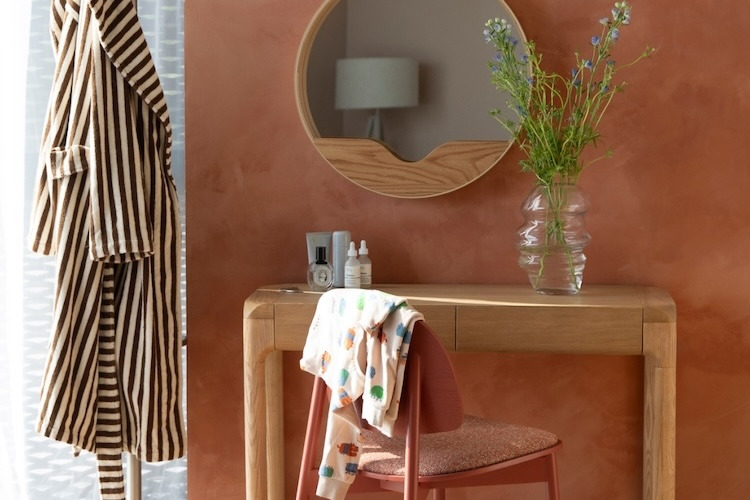
For years, minimalism has dominated the world of interior design. Clean lines, neutral colour palettes and clutter-free spaces have been celebrated for creating calm, organised homes. However, many have found that strict minimalism can sometimes feel a little cold, impersonal or difficult to maintain in everyday life. Enter midimalism, a design trend that strikes the perfect balance between simplicity and self-expression.
What is Midimalism?
Midimalism is quickly becoming one of the most popular interior design styles, offering a more relaxed approach to decorating that combines the best elements of minimalism and maximalism. It embraces thoughtful design, comfort and personality without overwhelming a space.
Midimalism sits somewhere between two opposing design philosophies. On one side is minimalism, which focuses on reducing possessions and creating clean, uncluttered environments. On the other is maximalism, which celebrates bold colours, layered textures, statement pieces and an abundance of decorative items.
Rather than choosing one extreme or the other, midimalism takes a middle-ground approach. It encourages you to be selective with furnishings and décor while still allowing room for meaningful objects, artwork and characterful design details. The result is a home that feels curated rather than sparse, stylish rather than overwhelming.
The concept reflects a growing desire for interiors that are both beautiful and practical. People want homes that feel lived in and welcoming, not spaces that resemble a showroom or require constant maintenance to keep them looking perfect.
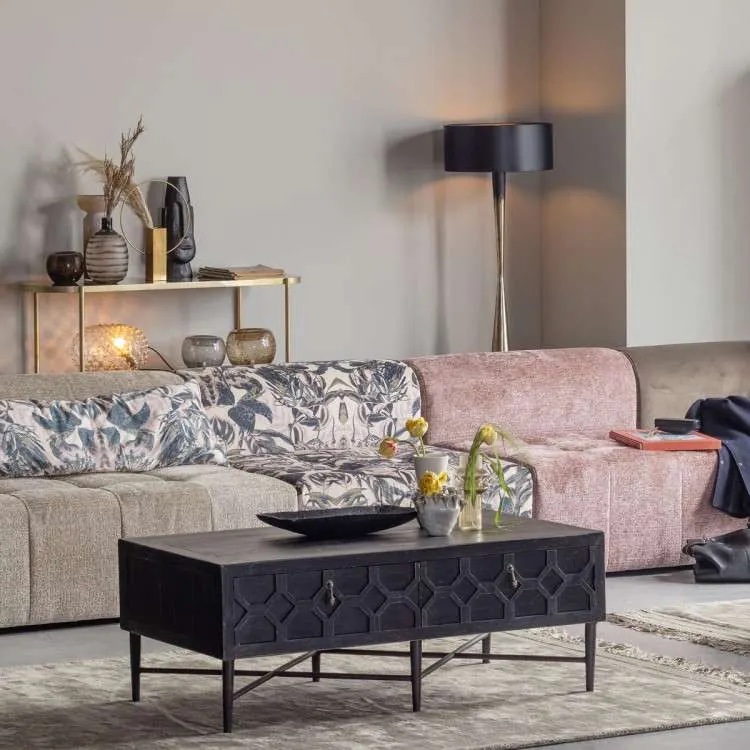
The Key Characteristics of Midimalism
One of the defining features of midimalism is balance. Every element within the room is carefully considered, but there is no pressure to eliminate every decorative item or personal possession.
Colour palettes tend to be softer and more varied than those found in traditional minimalist interiors. While neutral shades still play an important role, they are often complemented by earthy tones, muted greens, warm terracottas, dusty blues or rich natural wood finishes. These colours add depth and warmth without creating visual clutter.
Furniture choices are equally thoughtful. Rather than filling a room with numerous pieces, midimalist spaces focus on quality over quantity. A beautifully crafted dining table, a statement armchair or a distinctive sideboard can become focal points within the room, allowing each piece to be appreciated in its own right.
Texture is another important component. Layered materials such as linen, wool, wood, rattan, stone and ceramics help create visual interest and comfort. These natural finishes add richness to a space while maintaining a calm and cohesive appearance.
.jpg)
Why Midimalism Has Become So Popular
The rise of midimalism reflects changing attitudes towards how we live. Many homeowners appreciate the calming benefits of minimalism but do not want to sacrifice warmth, individuality or practicality.
Many have begun gravitating towards interiors that feel more authentic and attainable. Midimalism embraces real life, allowing spaces to evolve naturally while still maintaining a sense of order and style.
.jpg)
How to Create a Midimalist Home
Creating a midimalist interior begins with simplifying your space, but not stripping it bare. Start by removing items that no longer serve a purpose or bring enjoyment, then focus on displaying the pieces that genuinely add value to your home.
Choose furniture with timeless appeal and quality craftsmanship. Natural materials such as oak, walnut and solid wood work particularly well within a midimalist scheme, bringing warmth and character while remaining versatile enough to complement changing trends.
When decorating, aim for a layered but restrained approach. Introduce artwork, books, ceramics and personal mementoes, but avoid overcrowding surfaces. Grouping accessories together thoughtfully often creates greater impact than displaying numerous items individually throughout a room.
Soft furnishings can help add depth and comfort. Consider mixing textures through cushions, throws, rugs and curtains while keeping the overall colour palette cohesive. This creates a welcoming atmosphere without making the room feel busy.
Lighting is equally important. Combining ambient lighting, task lighting and decorative lamps helps create a cosy environment that highlights the room's carefully chosen features.
Midimalism and Furniture Choices
Furniture plays a central role in achieving the midimalist look. Rather than following fast-moving trends, the focus is on selecting pieces that offer both beauty and functionality.
Well-crafted dining tables, statement chairs, elegant storage solutions and timeless upholstered furniture fit naturally within a midimalist interior. These pieces provide visual interest through their design and materials, reducing the need for excessive decoration elsewhere in the room.
Natural wood furniture is particularly effective because it introduces warmth, texture and longevity. Whether paired with contemporary accessories or traditional accents, wooden furniture helps bridge the gap between minimalist simplicity and maximalist character.
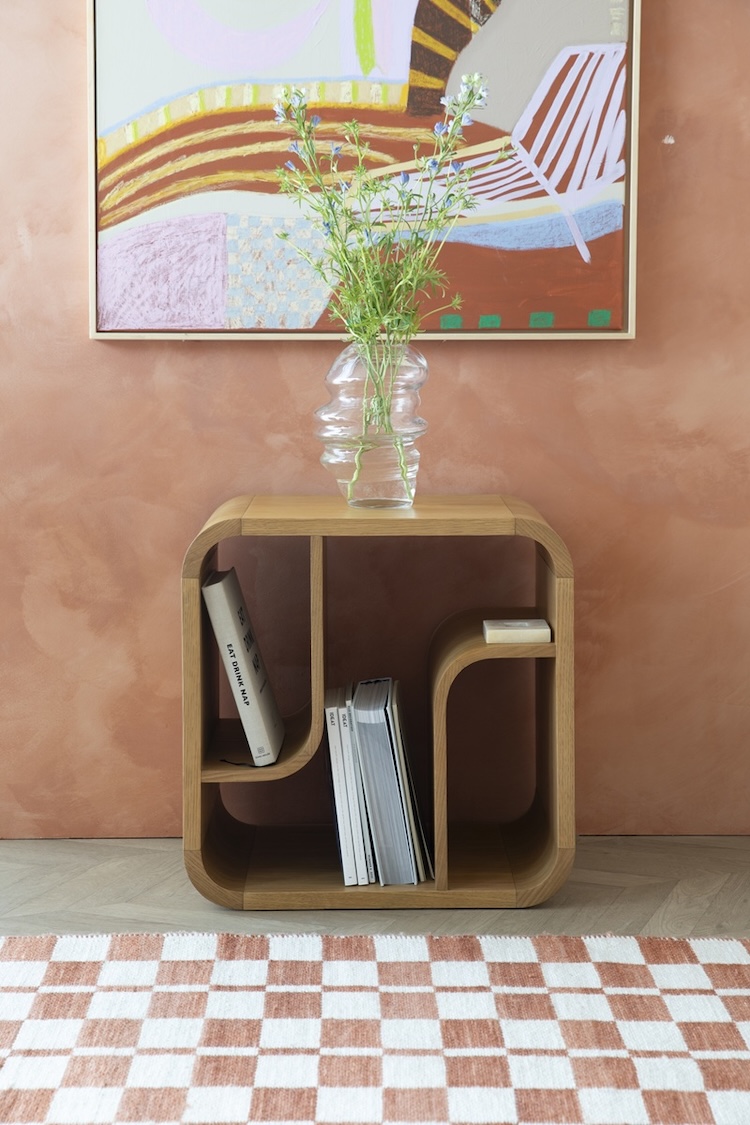
Is Midimalism Right for You?
If you appreciate organised, calming spaces but still want your home to reflect your personality, midimalism may be the perfect design approach. It offers the freedom to display treasured possessions, introduce colour and experiment with texture while maintaining a sense of balance and cohesion.
Unlike more rigid design styles, midimalism is highly adaptable. It can be incorporated into modern apartments, country cottages, family homes and period properties alike. By focusing on thoughtful design choices rather than strict rules, it creates interiors that feel comfortable, timeless and uniquely personal.
As we continue to seek spaces that combine style with practicality, midimalism looks set to remain a defining interior design trend for years to come. It proves that you do not have to choose between minimalism and maximalism – sometimes the most beautiful homes are found somewhere in the middle.
Comments (0)