
Shopping Cart
There are no more items in your cart
- Furniture
- 0 likes
- 414 views
- 0 comments

Layering in interior design is the art of combining and contrasting different colours, materials, textures, and lighting in order to curate an authentic, eclectic, stylised room. Rather than a minimal, one-dimensional room, layering helps to create a lived-in and unique style, making the room feel designed and not simply decorated.
The layers to consider are typically the base, texture, lighting, and accessories. Each of these layers offers a unique aspect of the full aesthetic of the interior, and their styles can be mixed and matched to achieve a specific final aesthetic. Layering helps to create a unique and personal design, focusing on what draws your attention in particular with each section of the design.
Why is Layering Important?
Layering helps transform a room from a functional space into one that feels thoughtfully designed. It adds warmth, texture, and visual interest while allowing your personality to shine through.
Some of the main benefits of layering include:
- Creating a sense of depth and dimension
- Making a room feel more comfortable and welcoming
- Adding personality and individuality
- Helping different design elements feel connected
- Preventing a space from looking sterile or one-dimensional
Even minimalist interiors often use layering to ensure spaces feel cosy rather than stark.
The Base
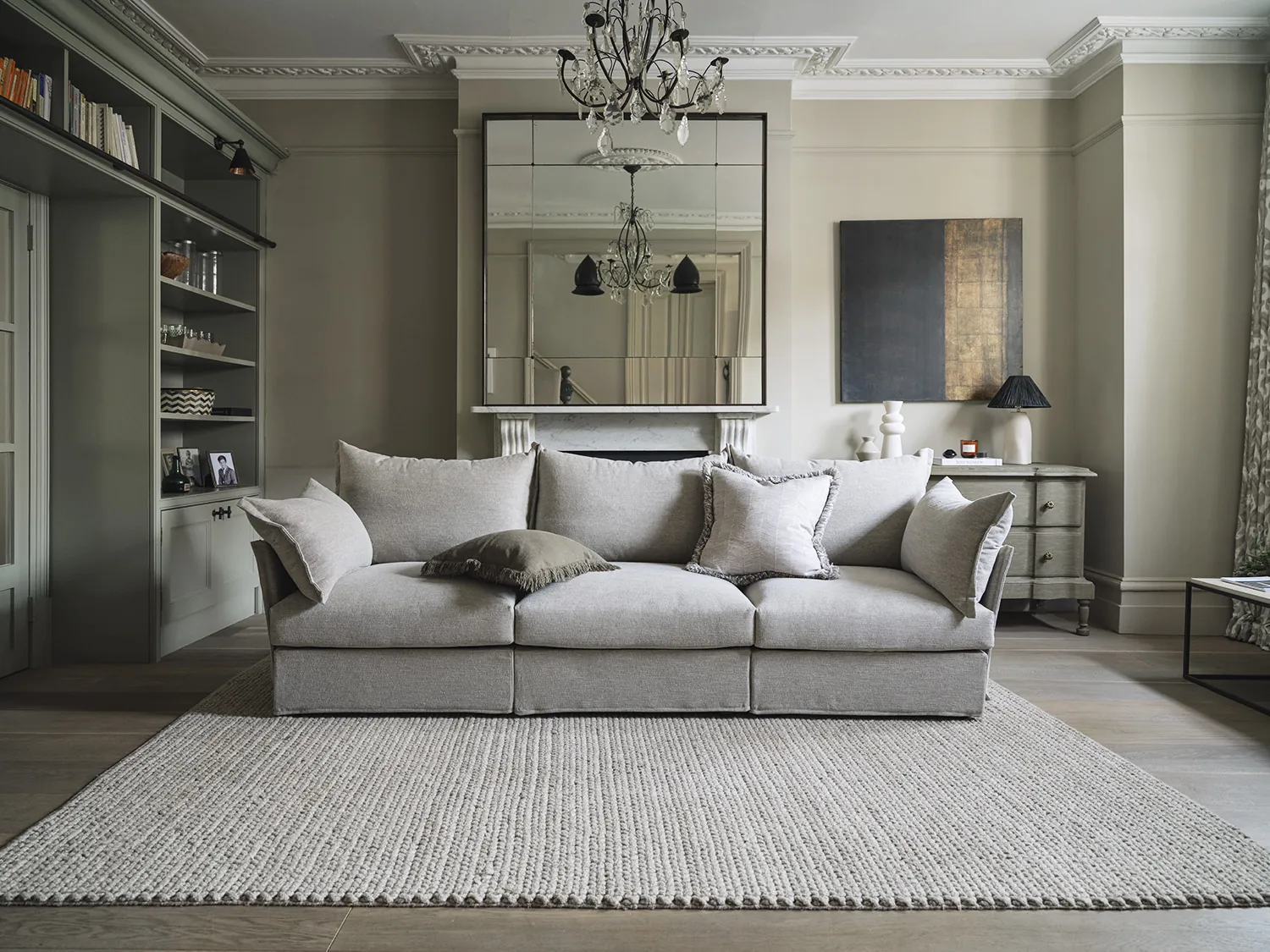
To begin, consider the most prominent features of the room. This includes things like the colours of your walls, large furniture pieces, and flooring. These are the largest, and therefore draw the most attention, so choose your colours and designs in accordance with how you would like the rest of the room to look and feel.
Layering Colours
Layering colour does not necessarily mean using lots of bold shades. Instead, it often involves building a palette with different tones and variations of the same colour family.
For example, a neutral room could combine warm whites, soft greys, beige tones, and natural wood finishes. This creates subtle depth without overwhelming the space. Accent colours can then be introduced through accessories such as cushions, artwork, lamps, or decorative objects.
Using multiple shades rather than a single flat colour helps a room feel more sophisticated and balanced.
Layering Through Texture
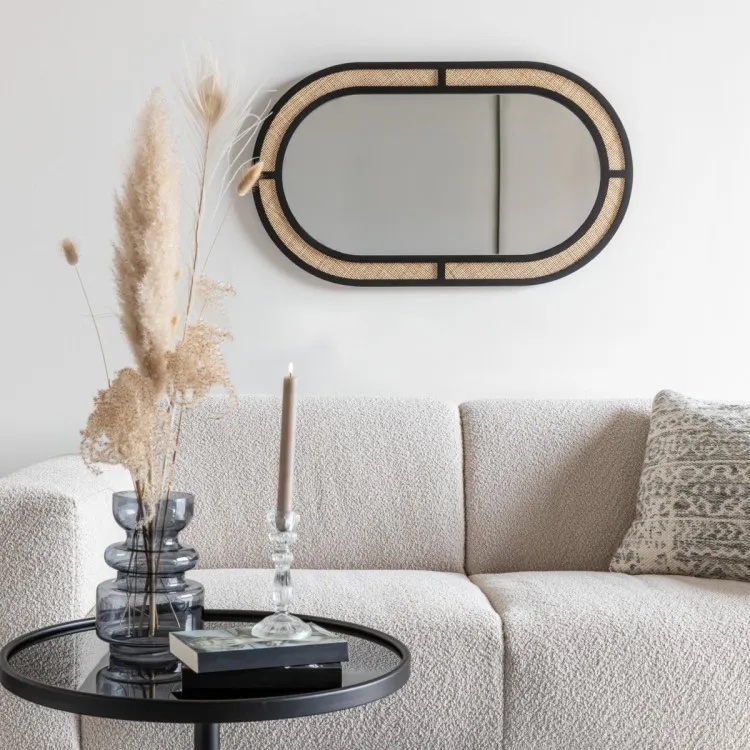
One of the easiest ways to introduce layering is through texture. Combining different textures creates contrast and interest, even when using a relatively simple colour palette.
This consists of the materials used, such as the types of fabric or wood. It also includes soft furnishings, like rugs and curtains, which help to frame the base of the room. Carefully consider your base and the overall style you would like the room to have, and choose textures accordingly.
For example, a living room might feature a wooden coffee table, a soft wool rug, linen cushions, a velvet armchair, and a knitted throw. While these elements may all sit within a similar colour scheme, their varying textures create a richer and more dynamic look.
Natural materials such as wood, stone, wool, cotton, leather, and rattan are particularly effective for adding texture and warmth to a room.
Accent fabrics are also a great way to incorporate layering; this means selecting textiles in colours or patterns that complement or contrast your base colours. To achieve a particularly eclectic style, choose contrasting materials which work together to enhance the uniqueness of the room.
.jpg)
Layering With Lighting
To frame the chosen base and textures, lighting is important for the overall feeling of a room. If there are large windows, control the light levels by choosing curtains or blinds which enhance how much natural light is let in to your liking.
If you are looking for a maximalist, cosy style of room, then utilising lots of lamps and warm-toned lighting is a good option. You can style your lights with suitable lampshades in order to accentuate the lighting.
Layering usually features using several measures to control the light in a room, which provides different options for light sources depending on the time of day.
A well-layered lighting scheme includes multiple light sources rather than relying solely on a central ceiling light. Combining ambient, task, and accent lighting creates a more flexible and comfortable environment.
For example:
- Ceiling lights for overall illumination
- Table lamps for softer evening lighting
- Floor lamps for reading areas
- Wall lights to add atmosphere
- Decorative lighting to highlight artwork or architectural features
Layering Furniture
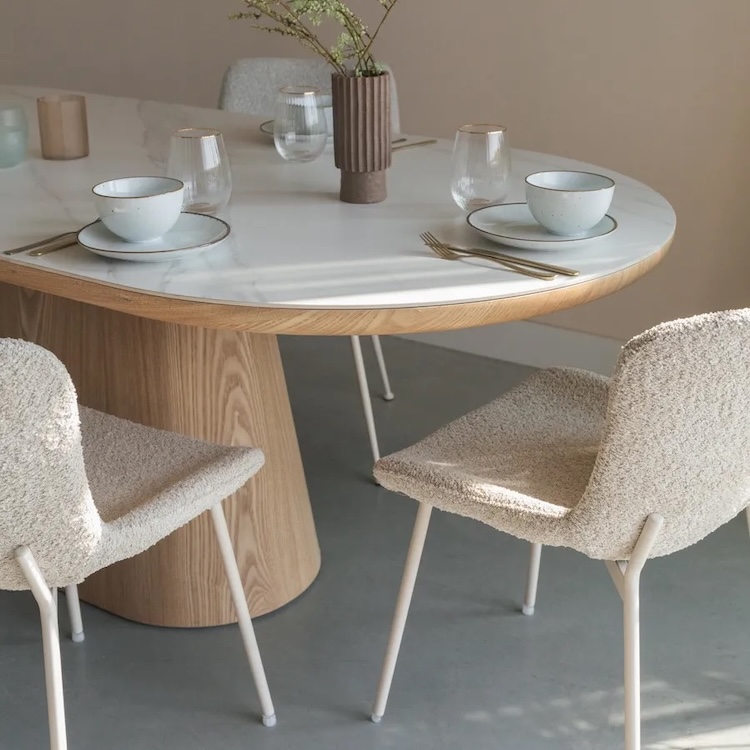
Furniture layering involves combining pieces of different sizes, heights, materials, and shapes to create visual balance.
A room that contains only large furniture can feel heavy, while one made up entirely of smaller pieces may lack presence. Successful layering often includes a mix of statement furniture and supporting pieces.
For example, a large farmhouse dining table may be paired with upholstered dining chairs, a wooden sideboard, decorative lighting, and carefully chosen accessories. Together, these elements create a more complete and harmonious look.
Layering With Accessories
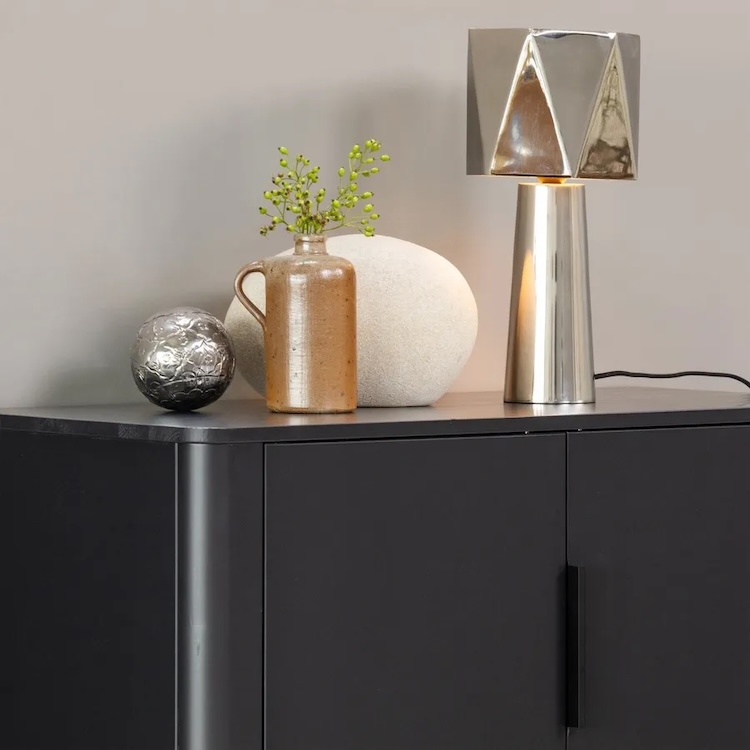
The final touches of decorating a layered room are very important, as they pull the whole style of the room together. Consider how your styling choices interact with one another, and choose personal finishing touches such as art, cushions, and plants that help to complement the other layers of the room.
Some interior designers use a ‘rule of three’ when it comes to layering with home accessories, which involves choosing a vertical item (such as a desk lamp), a horizontal item (such as a tray), and a sculpted item (such as a vase or statue). This can help to give the room depth and uniqueness.
This final layer is the most personal, as it allows you to express your style with non-essential decoration and complete the finishing touches of the room’s style.
Layering can help to show off your own personal style, with the combination of the materials and specific items which you choose to display alongside each other creating a unique overall aesthetic.
Comments (0)