
Shopping Cart
There are no more items in your cart
- Furniture
- 0 likes
- 343 views
- 0 comments
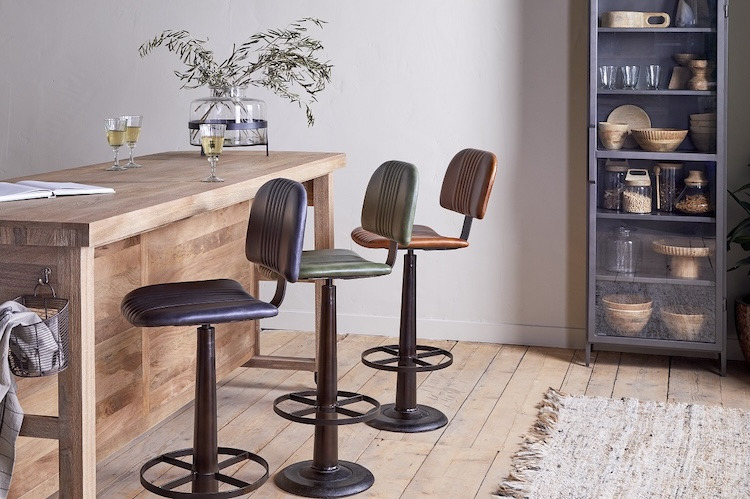
Rustic and industrial are two main styles of interior decorating, the influences of which can be seen in most modern homes. While both of these types of interiors are similar in their centring of practicality and the use of raw materials, they are incredibly different in style.
Here are some of the major differences between the two, which can help to determine which style is suited for your interior, as well as how the two can be used to create a stylistic contrast.
What Inspired Industrial Interior Style?
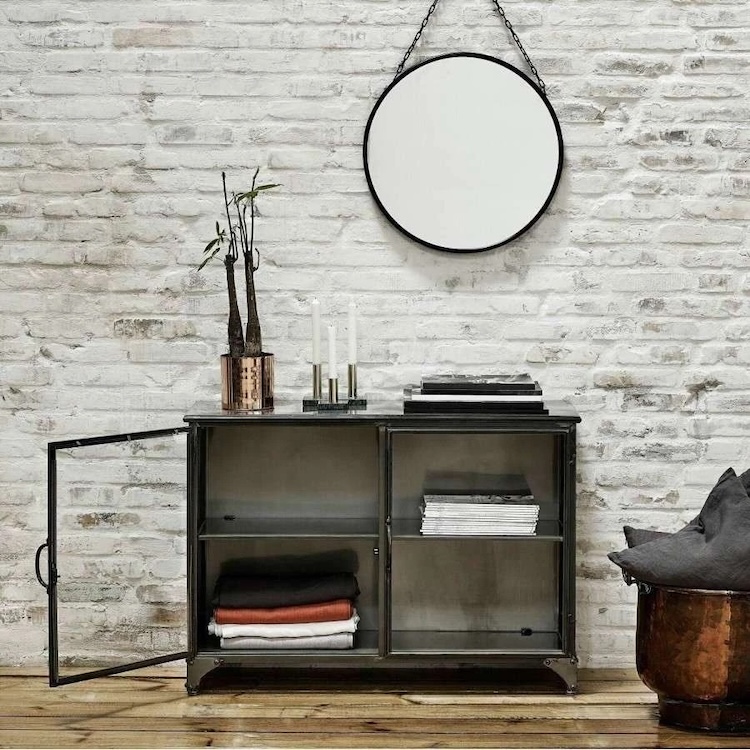
The inspiration for industrial interiors comes directly from urban styles, particularly the harsh aesthetics of warehouses and factories. This can be shown in industrial-inspired home interiors through the presence of metal and concrete, sleek and minimal decor, and neutral or metallic colours, as some of the main features of this style.
Key Features of Industrial Interiors
Industrial spaces commonly feature:
- Exposed brickwork
- Metal and steel furniture
- Concrete floors and surfaces
- Open-plan layouts
- Large factory-style windows and structural features
The industrial style prioritises simplicity and functionality while celebrating the beauty of utilitarian materials.
What Inspired Rustic Interior Style?
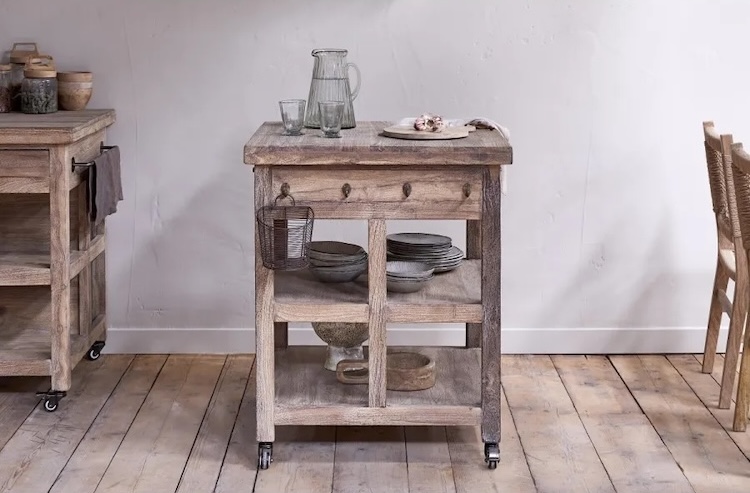
The rustic style, contrastingly, is inspired largely by nature, with countryside cottages and farmhouses serving as the standard rustic interior. In a home interior, this looks like wooden furniture, stone, cosy decor, and warm, earthy colour schemes.
Key Features of Rustic Interiors
Rustic interiors typically include:
- Natural wood with visible grain and knots
- Warm, earthy colour palettes
- Stone fireplaces and exposed beams
- Handmade or artisan-crafted furniture
- Soft furnishings made from natural fabrics
- Vintage or antique decorative pieces
Rather than aiming for perfection, rustic interiors embrace weathered finishes and materials that tell a story.
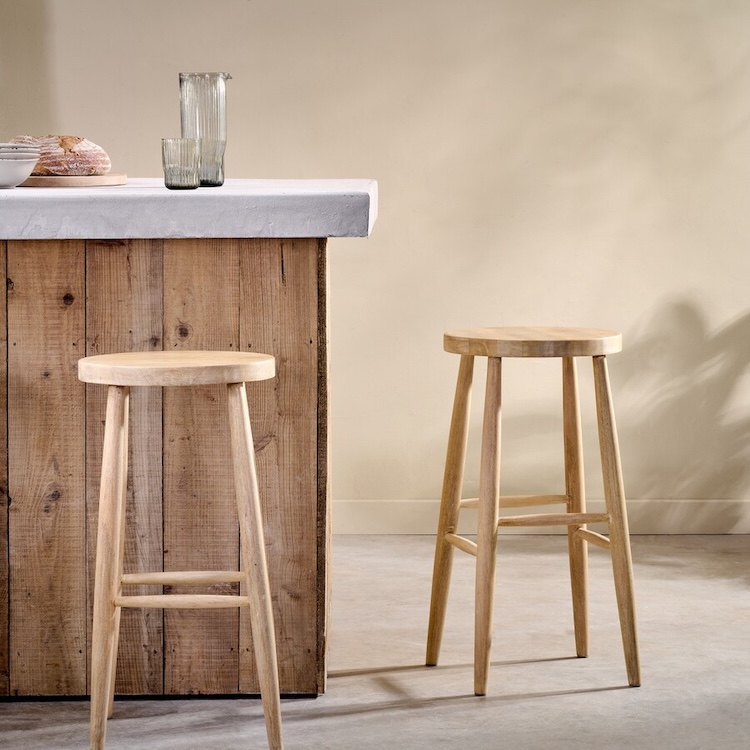
Rustic vs Industrial Furniture
Furniture can instantly reveal whether a room leans towards rustic or industrial design.
Rustic Furniture
Rustic furniture is often characterised by:
- Chunky wooden construction
- Traditional craftsmanship
- Curved or softened edges
- Distressed finishes
- Comfortable, inviting proportions
Farmhouse dining tables, handcrafted sideboards, and solid oak chairs are all common examples of rustic furniture.
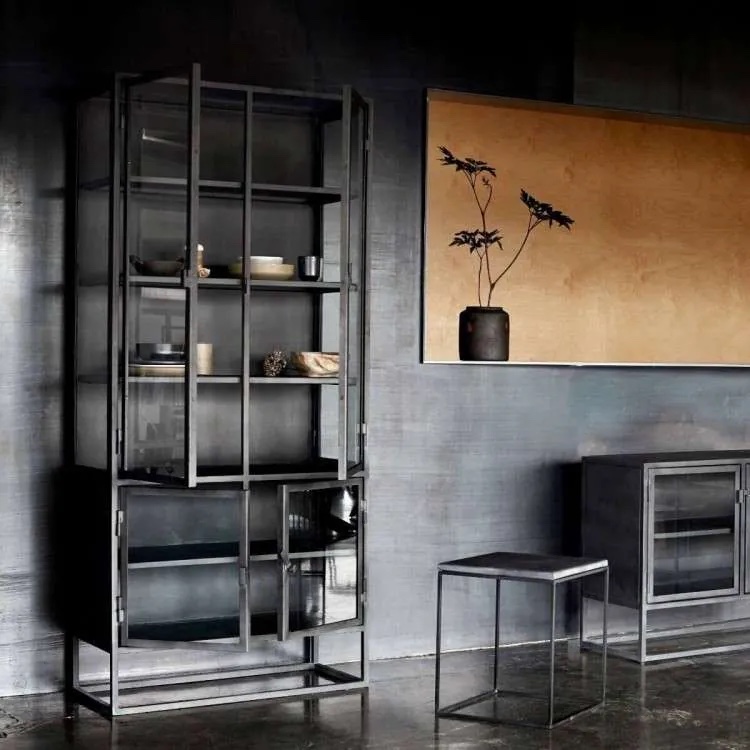
Industrial Furniture
Industrial furniture typically features:
- Metal frames
- Straight lines
- Minimal detailing
- Mixed wood and metal construction
- Functional designs
Industrial pieces often look as though they could belong in a workshop or warehouse while still offering comfort and style.

Rustic vs Industrial Lighting
The favoured lighting choices between these two styles can be traced back to these roots. Rustic lighting would typically incorporate warm, cosy lighting, reminiscent of the lighting that you could expect to find in a forest cabin. This style often incorporates organic or natural choices, so lighting that imitates candles or open fires is common.
The industrial style's most popular type of lighting is exposed Edison bulbs, which are otherwise decorated with iron or wire cages.
Both of these styles make frequent use of lamps, so though their origins differ greatly, it is not hard to find a middle ground in lighting for these two styles. One example would be a simple caged glass table lamp, which could be utilised in either of these styles.
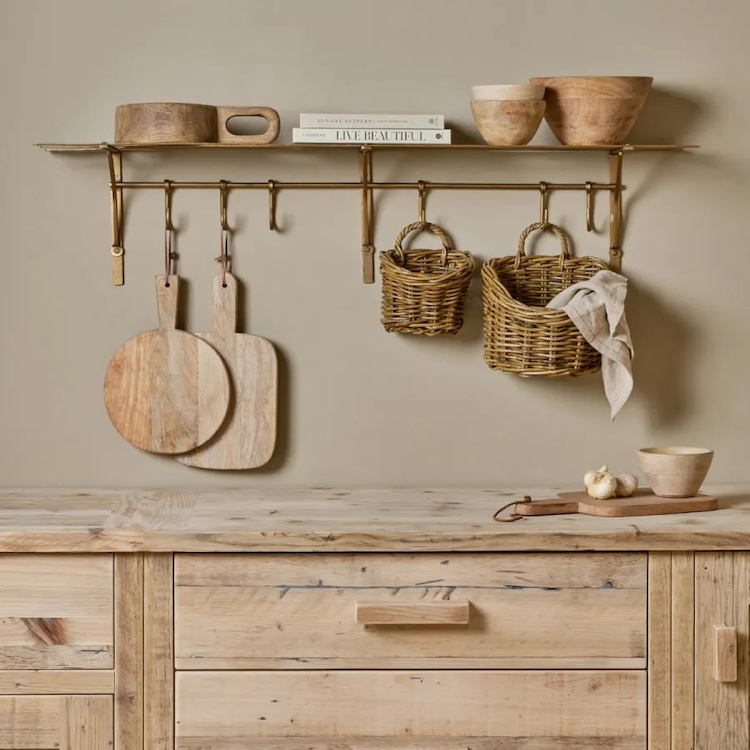
Rustic vs Industrial Decor
With regard to decoration and soft furnishings, a rustic interior would display plenty of textured, cosy items, with things like curtains, cushions, and rugs being the main focuses of the aesthetic of the room.
In an industrial interior, these are chosen to be discreet or otherwise not soft at all, with some industrial interiors opting to have no rugs at all, and furniture like metal stools or benches rather than plush sofas.
Similarities Between Rustic and Industrial Design
Both of these styles appreciate a ‘worn’, authentic look. In a rustic interior, this can look like distressed wood furniture, stylistically worn fabric pieces, and unique, nature-inspired decor pieces.
This look in an industrial-style interior is usually done through things like worn metal surfaces, exposed bulbs, and minimal soft furnishings. These two styles are both focused on practicality, which the rustic style does in a more comfort-centred way, while the industrial style is more minimalistic.
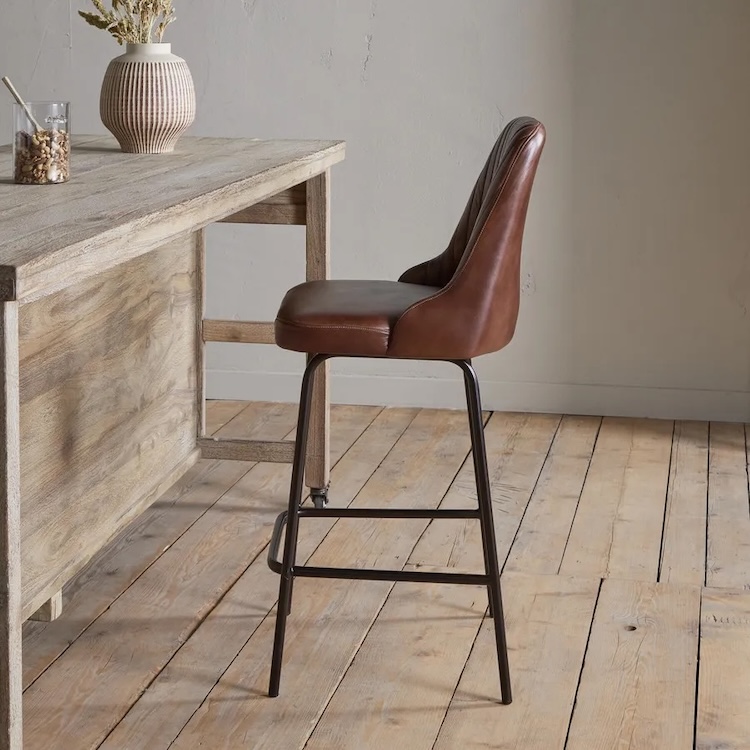
Combining Rustic and Industrial Interior Styles
Of course, the two styles can, and very frequently have been, combined to create a balanced and unique interior. ‘Rustic Industrial’ is a newer style which attempts to fuse classically rustic aesthetics with the sleek, urban industrial style.
For example, this style could be curated by pairing a classic rustic wooden table with industrial-style metal and leather chairs.
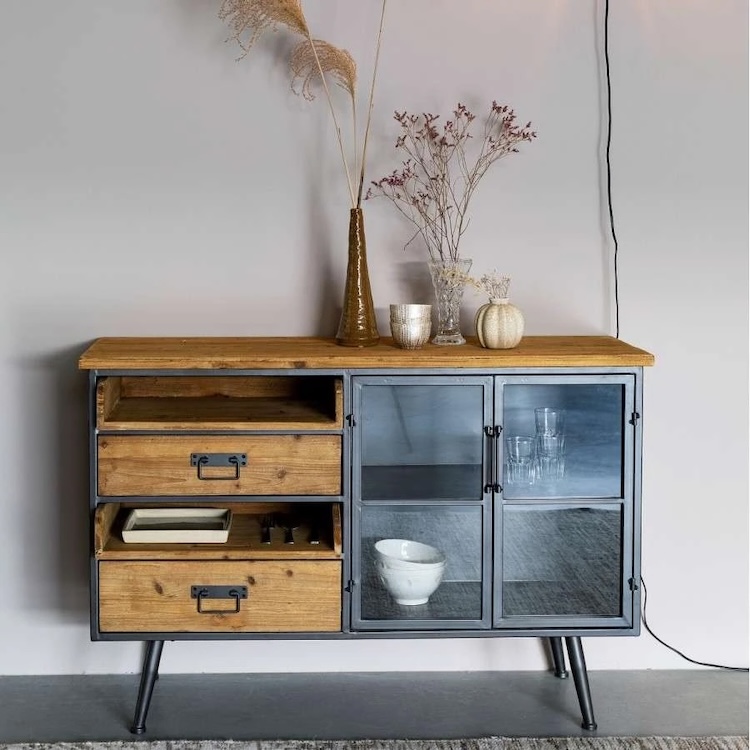
Alternatively, you can bridge the gap between industrial and rustic styles by choosing pieces that pull elements from both styles, like the Damian Sideboard, which combines rustic wood with industrial-inspired powder-coated steel and tempered glass.
Though these two styles are extremely different in aesthetic and origin, they both centre the use of raw, unrefined materials and practicality over frivolous designs, so they can create a bold yet tasteful contrast.
Whichever style you prefer, you can find plenty of pieces that can work for these interiors here at Accessories for the Home.
Comments (0)