

Shopping Cart
There are no more items in your cart
- Furniture
- 0 likes
- 881 views
- 0 comments

For years, open plan living has been seen as the ultimate modern layout; light-filled, sociable and flexible. But as we move into 2026, there’s a noticeable shift in how people want their homes to feel. Rather than vast, multi-use spaces, homeowners are increasingly craving cosier, more purposeful rooms that support everyday life, work, rest and relaxation more clearly.
That doesn’t mean open plan homes are suddenly out of fashion. Instead, the way we use them is evolving. The focus is now on breaking large spaces down into smaller-feeling zones, creating a sense of enclosure, warmth and separation without fully closing rooms off.
This guide explores how to make an open plan room feel more intimate, comfortable and in tune with the move towards cosier, more dedicated spaces.
Why Open Plan Spaces Are Being Reworked in 2026
One of the main reasons open plan living is losing favour is that it often asks too much of a single space. Kitchens, dining areas, living rooms and work zones are expected to coexist without clear boundaries, which can lead to visual clutter, noise and a lack of calm.
With more time spent at home, people are prioritising rooms that feel emotionally supportive rather than purely impressive. Cosiness, privacy and the ability to mentally switch off are becoming just as important as light and flow. As a result, open plan rooms are being redesigned to feel closer to a collection of smaller rooms that happen to connect, rather than one large, undefined area.
Zoning as a Way to Recreate “Rooms Within a Room”
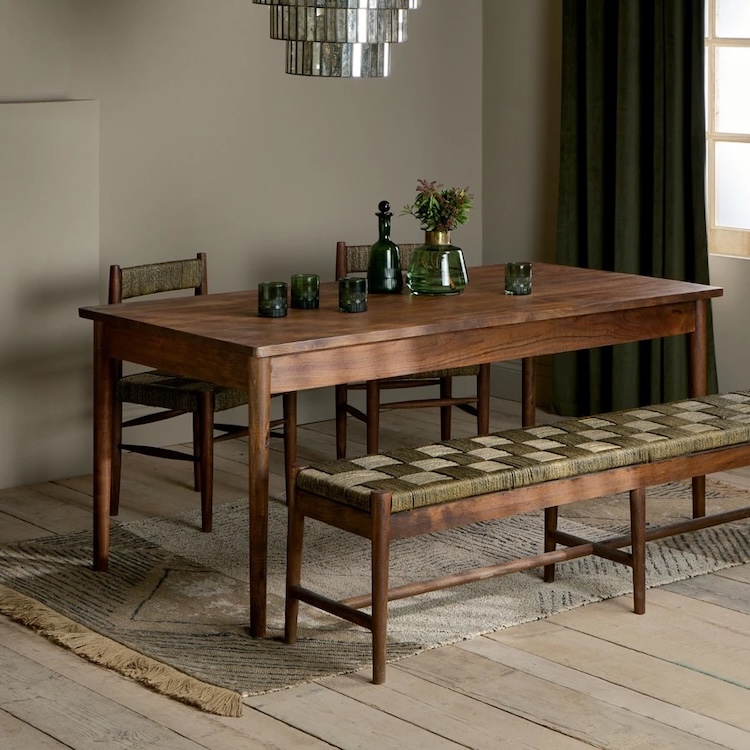
One of the biggest reasons open plan rooms can feel uncosy is the lack of definition. When everything blends into one continuous space, the eye has nowhere to rest. Zoning introduces subtle boundaries that make each area feel purposeful.
Instead of thinking of the space as one room, it helps to treat it as several overlapping zones, each with its own function, mood and visual cues.
Furniture is one of the easiest ways to achieve this. A sofa positioned with its back to a dining area instantly creates a visual divide, while sideboards, open shelving or console tables can gently separate zones without blocking light.
Rugs are particularly effective for grounding spaces; a generously sized rug beneath a seating area or dining table helps anchor the furniture and makes each zone feel complete rather than floating within a larger room.
Zoning doesn’t have to feel rigid. The aim is not to box areas in, but to give each part of the room a sense of identity, allowing the space to feel layered and lived-in rather than vast and undefined.
Using Furniture as Soft Dividers
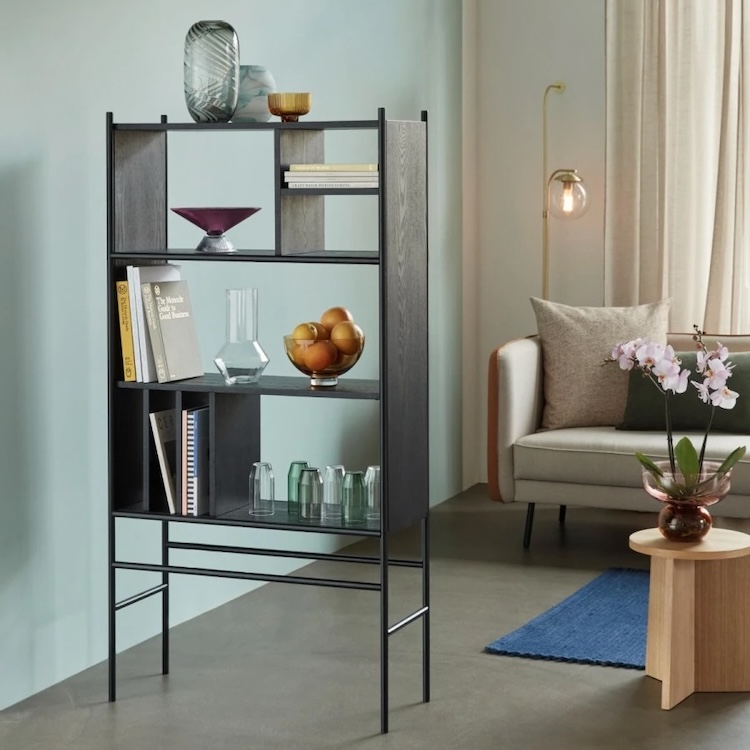
As open plan homes move towards more dedicated zones, furniture is increasingly being used as a replacement for walls. Sideboards, bookcases and shelving units placed perpendicular to walls can subtly divide areas while maintaining openness and light.
Low-level storage works particularly well, as it creates separation at eye level without blocking sightlines entirely. A sideboard behind a sofa, for example, helps mark the transition between living and dining areas while adding useful storage and surface space for lamps or decorative objects.
Open shelving can also act as a gentle divider, especially when styled with books, ceramics or plants. This approach allows light to pass through while still giving each zone a sense of boundary and purpose.
Partial Dividers for a Cosier Feel Without Full Walls
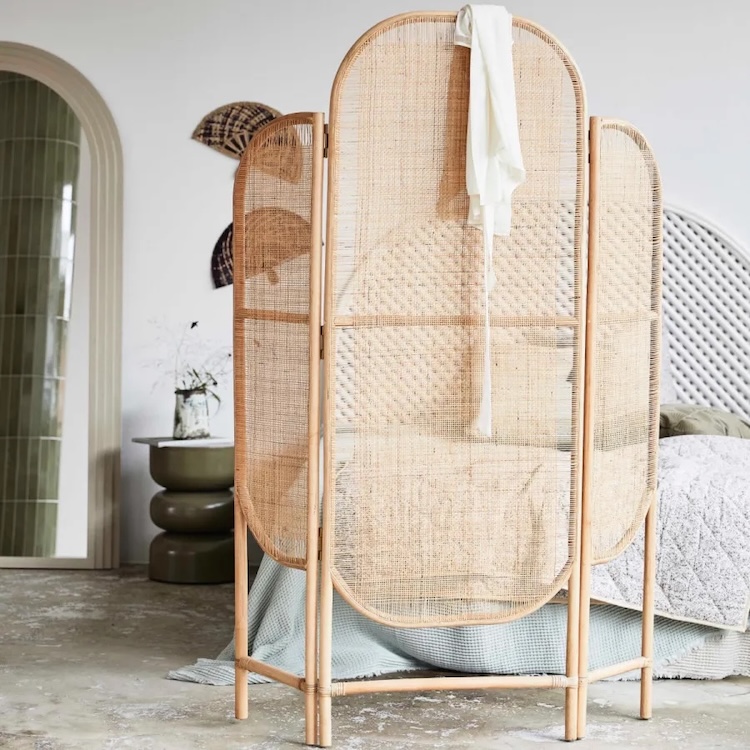
Rather than returning to fully enclosed rooms, many homes in 2026 are embracing partial dividers to soften open plan layouts. Slatted wood screens, room dividers, or half-height walls introduce visual separation while keeping spaces connected.
These elements help break up large rooms, reduce noise and create a greater sense of privacy, particularly between living and kitchen areas. They also add architectural interest and texture, which contributes to the feeling of warmth and depth that people increasingly want from their homes.
Curtains are also making a quiet comeback in open plan spaces. Ceiling-mounted tracks allow fabric panels to be drawn when a cosier atmosphere is needed, and opened up again when the space needs to feel lighter and more open.
Choose Lighting That Feels Soft and Layered
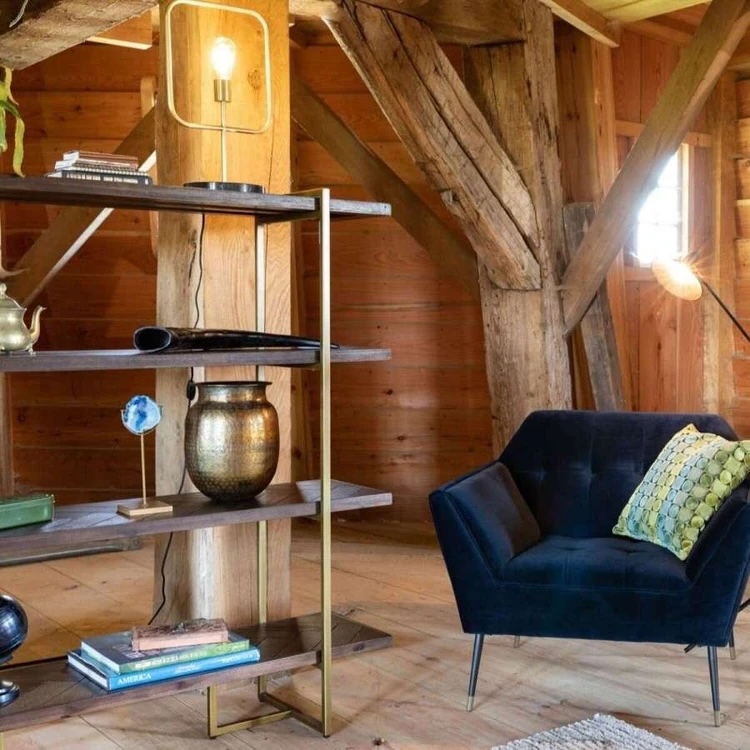
Lighting can make or break the atmosphere of an open plan room. Relying solely on ceiling lights often results in a flat, overly bright space that feels more functional than cosy. Instead, aim for layered lighting that mirrors how you would light separate rooms.
Softer, warmer lighting in seating areas encourages relaxation, while brighter task lighting can remain in kitchens or work zones. This contrast helps each area feel emotionally distinct, even within the same room.
Introduce multiple light sources at different heights throughout the space. Table lamps, floor lamps and wall lights create pools of warm light that make individual zones feel more intimate, particularly in the evenings. In dining areas, pendant lights hung lower over the table help visually define the space and draw people in.
Warm-toned bulbs are also key here. Cooler lighting can feel stark in large rooms, whereas warmer light enhances texture and creates a softer, more welcoming mood across the entire space.
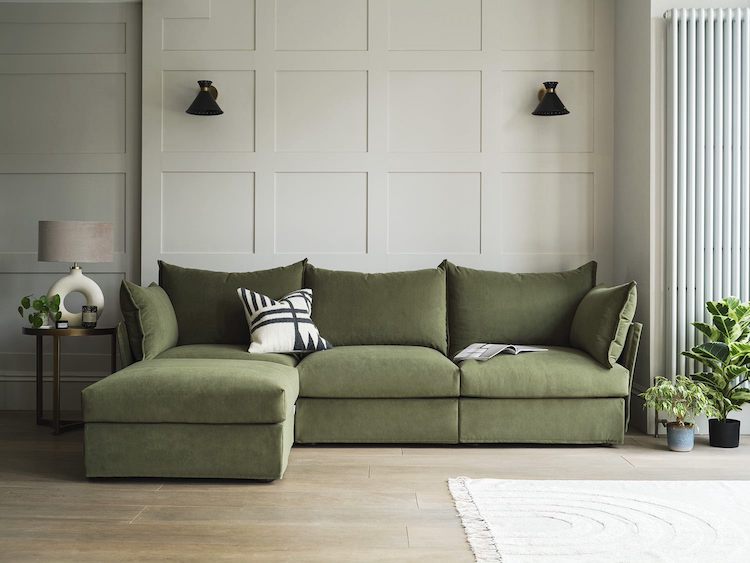
Use Colour to Visually Separate Spaces
While open plan rooms often default to light, neutral palettes to keep them feeling spacious, introducing deeper or warmer tones can dramatically increase cosiness without making the room feel smaller.
You don’t need to paint the entire space dark to achieve this. Accent walls, darker furniture pieces, or even colour-blocking through paint can help define zones and add depth. Earthy tones such as warm greys, soft terracotta, olive, deep blues or muted browns work particularly well in open plan layouts, grounding the space and adding visual comfort.
Using a consistent colour palette across the room helps maintain flow, while subtle variations in tone can prevent the space from feeling flat or overly uniform.
Soften the Acoustics
Cosiness isn’t just visual, it’s also about how a room sounds. Open plan layouts can suffer from echo, which can make them feel less comfortable to spend time in. Soft furnishings naturally help absorb sound, but additional elements such as curtains, upholstered furniture and rugs can significantly improve acoustics.
Even wall hangings, fabric panels or book-filled shelving can help dampen noise and make the room feel calmer. A quieter space naturally feels more intimate and restful, enhancing the overall sense of comfort.
Scale Furniture to Suit the Space
Furniture that’s too small can make an open plan room feel sparse and unfinished, which instantly works against cosiness. Choosing pieces with the right scale helps fill the space in a way that feels intentional and inviting.
Larger sofas, solid dining tables and substantial sideboards give the room weight and presence. This doesn’t mean overcrowding the space, but rather selecting furniture that feels confident within it. Chunkier silhouettes, rounded edges and upholstered finishes often feel warmer and more relaxed than sleek, ultra-minimal designs.
Placing furniture closer together within each zone, rather than spreading everything out, also encourages a more intimate feel, especially in seating areas designed for relaxing or socialising.
Make Use of Rugs
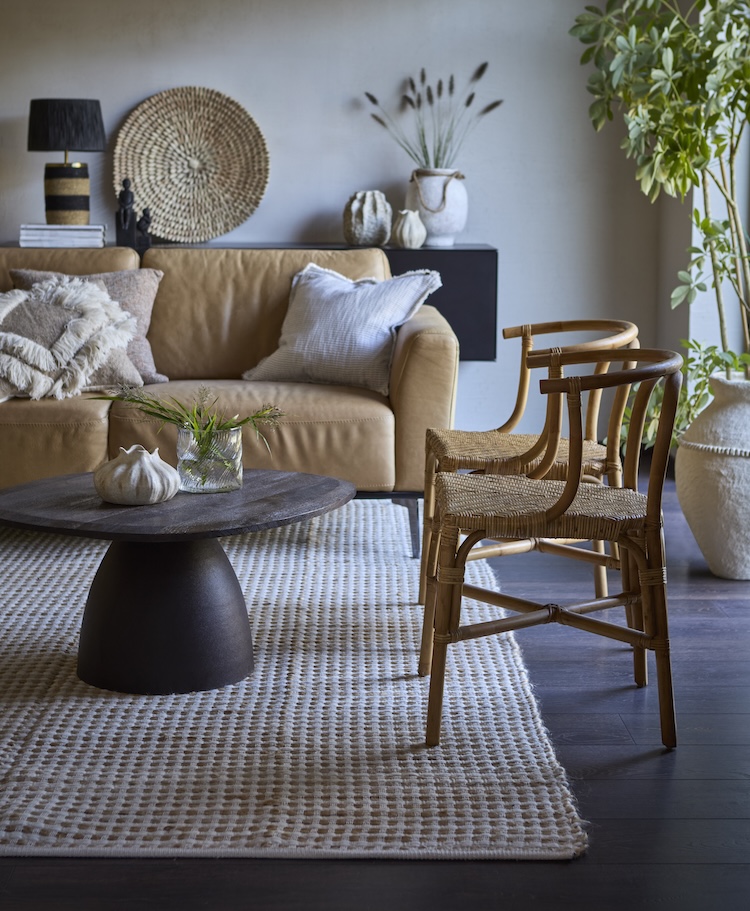
Rugs are particularly important for anchoring zones. Larger rugs that comfortably fit all furniture legs create a sense of completeness and enclosure, while layered rugs can add even more depth and warmth. Upholstered furniture, heavier dining tables and solid wood storage all contribute to the feeling of permanence and comfort that defines cosier interiors.
Designing for How You Actually Live
Perhaps the most important shift in 2026 is the move away from designing open plan spaces for appearance alone. Homes are being shaped around how people actually use them, with clearer boundaries between relaxing, working, eating and entertaining.
This might mean carving out a quiet reading corner within a living area, introducing a dedicated breakfast nook rather than an oversized dining zone, or visually separating a workspace so it doesn’t dominate the entire room. These decisions help open plan homes feel calmer, more supportive and far more liveable.
Open Plan, But More Intentional
Open plan living isn’t disappearing; it’s being softened. The move towards cosier rooms in 2026 is less about closing doors and more about restoring a sense of comfort, definition and emotional warmth.
By embracing zoning and designing spaces around real-life use, open plan rooms can feel just as inviting as more traditional layouts, while still offering the flexibility and flow people value.
Shop contemporary furniture to achieve the perfect open plan look here at Accessories from the Home, including pieces from tops brands like Nkuku.
Comments (0)