

Shopping Cart
There are no more items in your cart
- Furniture
- 0 likes
- 969 views
- 0 comments

Every room needs a star; that one feature that naturally draws the eye and anchors the entire design. This is your focal point. It could be a statement fireplace, a large window framing a view, a bold piece of art, or even a standout piece of furniture.
Without a clear focal point, a space can feel visually scattered or incomplete. With one, everything else has purpose and direction; the room feels harmonious, intentional, and balanced.
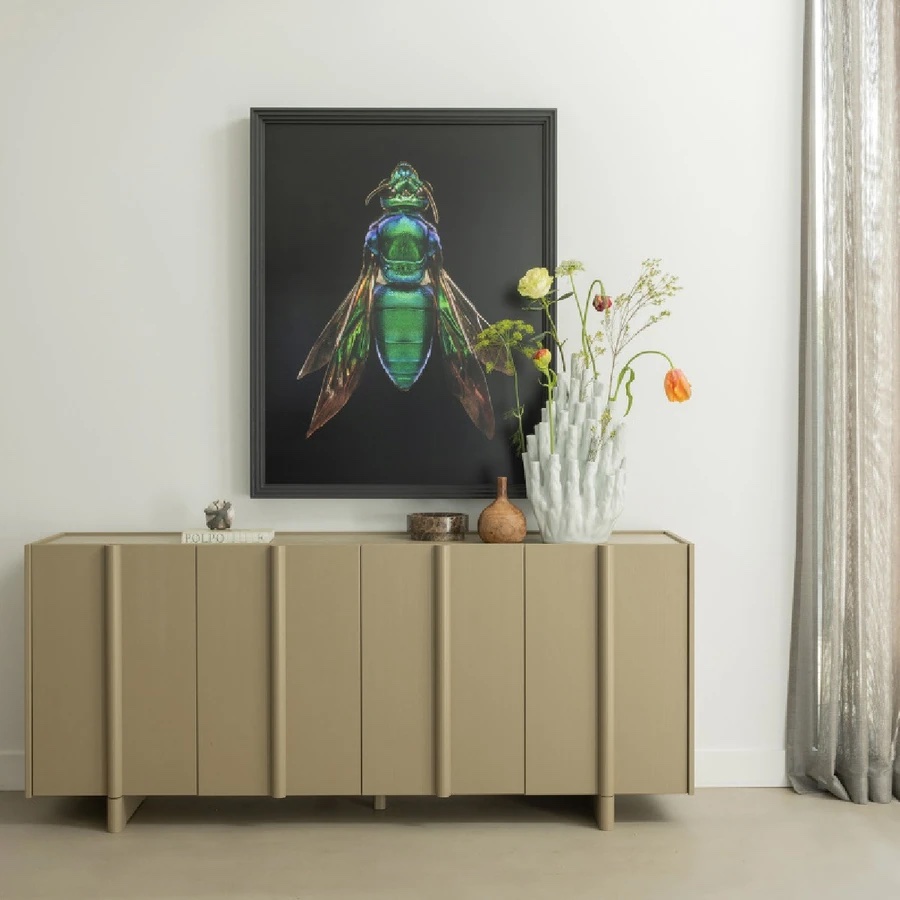
Finding Your Room’s Natural Star
Start by identifying what already commands attention in the space. Ask yourself:
- What’s the first thing you notice when you walk in?
- Is there a built-in architectural feature, like a bay window, mantel, or exposed beam?
- Does the room lack one entirely, and could you create one with furniture, lighting, or art?
If your room doesn’t have an obvious focal point, create one. For example:
- In a living room, a statement sofa or media unit can take centre stage.
- In a bedroom, the headboard becomes a natural anchor.
- In a dining space, the table (and the pendant light above it) set the scene.
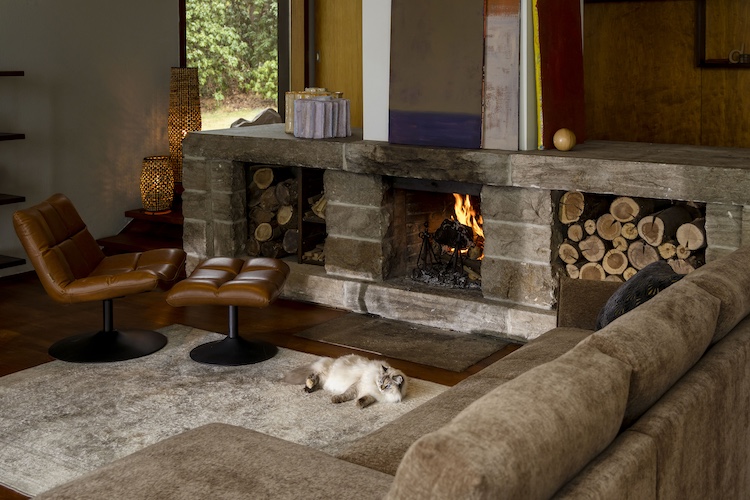
Arranging Furniture Around the Focal Point
Once you’ve chosen your focal point, it’s time to let it lead your layout.
1. Face It (But Don’t Crowd It)
Arrange your main seating or functional furniture to face or complement your focal point. For instance:
- Place your sofa opposite the fireplace or TV wall.
- Angle armchairs slightly inward to frame the view.
- Ensure traffic flows naturally around it, not through it.
Give the focal point breathing room; too much clutter or too many competing pieces will dilute its impact.
2. Create Symmetry or Balance
Symmetry is an easy way to highlight a focal point. Think matching armchairs, lamps, or side tables flanking a sofa.
But balance can also come from asymmetry: one bold statement piece on one side and a grouping of smaller decor items on the other. The key is visual equilibrium.
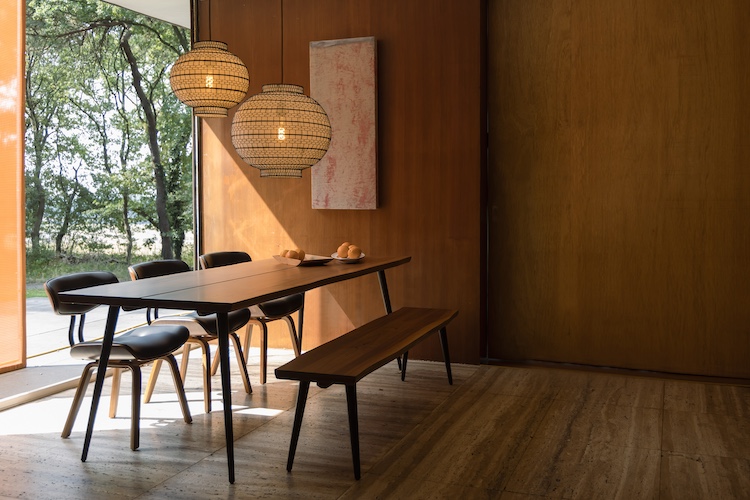
3. Layer Lighting to Enhance Focus
Use lighting to draw the eye where you want it. For example, you can add wall sconces beside a feature artwork. In the dining room or entryway, a pendant or chandelier can be a striking focal point that highlights the space below.
Layer ambient and accent lighting to keep the focal point illuminated but not overpowering.
4. Use Rugs and Accessories to Frame It
A well-placed rug can anchor a seating area around your focal point, creating a defined zone.
Decor accessories, like mirrors, vases, and cushions, should complement rather than compete. Choose colours, shapes, and textures that echo your focal feature to tie the space together.
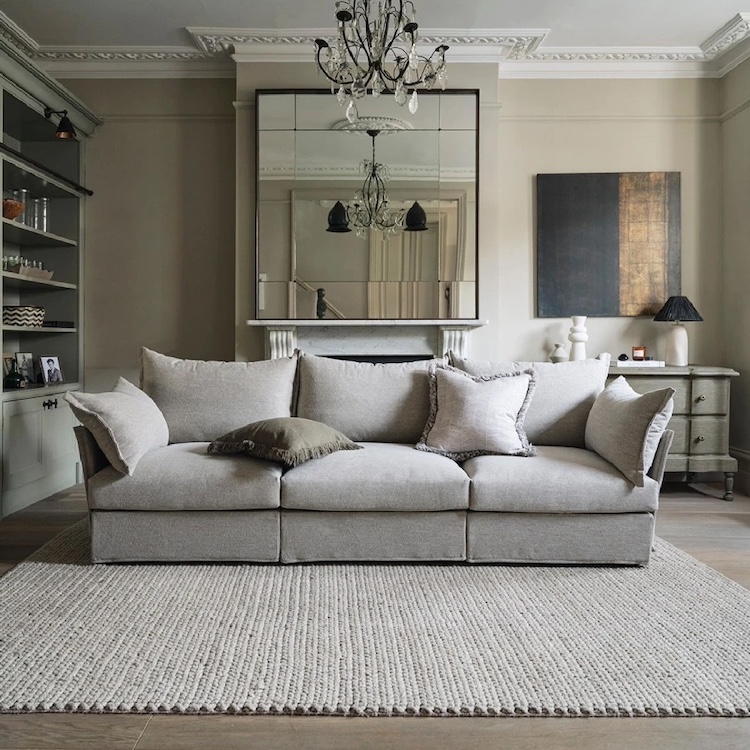
Avoiding Competing Focal Points
Sometimes rooms have multiple attention-grabbers: a fireplace and a mirror or TV, for example. The solution? Decide which one takes precedence for everyday use, then balance the other as a supporting feature.
You can also visually link them: hang the TV or mirror above the fireplace, or create a shared visual line using artwork or shelving to connect the two.
When the Furniture Is the Focal Point
In some cases, your furniture is the star! A boldly designed cabinet, a statement dining table or a stunning velvet sofa can all be focal points.
When your furniture is the focal point, it’s time to simplify the rest of the design. Keep the surrounding palette and shapes subtle, and let the craftsmanship, colour, or silhouette shine.
Keep the Energy Flowing
Beyond aesthetics, a focal point affects how a room feels. When arranged well, it creates a natural sense of flow, you can move through the space comfortably, and your eye knows exactly where to rest.
So take a step back, adjust until it feels right, and remember: in every well-designed room, there’s always a star and the rest of the cast plays beautifully in support.
Comments (0)